
What Children’s Books Know That Adult Fiction Doesn’t
Every summer, I pick up a small Tinkle Digest, a Harry Potter book, or Winnie the Pooh—stories I first read as a child. The pages are faded, the colour of old mustard or coffee. I don’t read them just for nostalgia, though that feeling is always there. I read them because they still surprise me. That’s the special magic of great children’s books: they’re made to last long after we grow up.
In serious literary circles, children’s books hold a strange place. We call them “formative,” and we donate, display, and gift them. But we rarely admit that we still read them as adults, which is a profound mistake.
A story that can be understood by a child and re-read meaningfully by an adult has achieved something that most literary fiction never attempts.
The Lie of Simplicity in Children’s Books
Some children’s books to begin with:
The Wind in the Willows - KENNETH GRAHAME
Watership Down - RICHARD ADAMS
The House at Pooh Corner - A. A. MILNE
For too long, we’ve mistaken short books for shallow ones. Children’s books are brief, not because their ideas are simple, but because every word matters. The author can’t count on a child’s patience, so every sentence has to earn its place. In terms of economy, children’s literature stands alongside the best short stories.
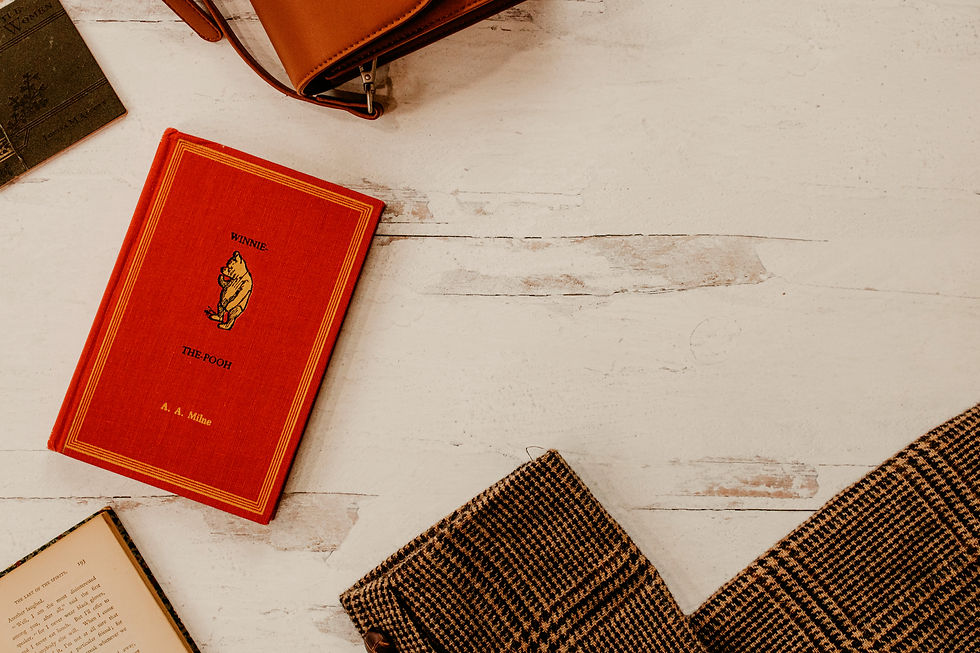
Take Winnie the Pooh by A.A. Milne. The ‘silly old bear’ shares more wisdom than most adult characters in fiction. This literature isn’t just for children—it’s for everyone, and only a children’s book could show it so clearly.
The Grammar of Wonder
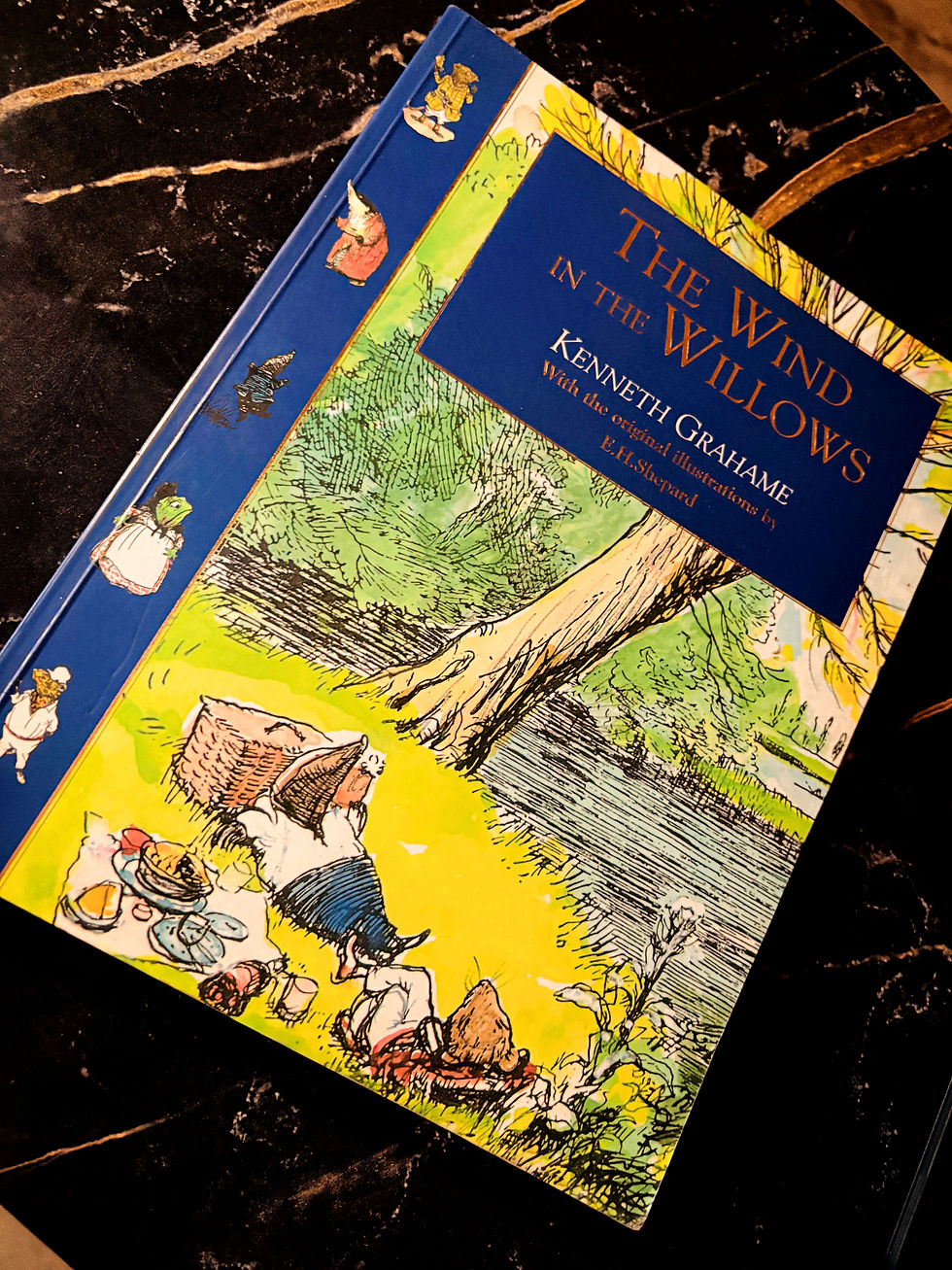
There’s something I can only call noticing that sets the best children’s authors apart from those who write for adults. They haven’t accepted the world’s strangeness as normal. A river isn’t just a background—it’s an event. A badger’s front door needs an explanation. Figuring out how a witch loses her power is a real question. Children’s books don’t let us get numb to the familiar.
Adult fiction often focuses on alienation, routine, and the struggle to feel anything. These are important topics. But children’s books stay engaged with wonder. They remind us that life isn’t just bearable—it’s amazing. Reading them helps us see the world differently.
On Loss, and the Books That Face It
Some adult readers avoid children’s books because they underestimate them—they expect saccharine resolutions and protected endings. They have not read Charlotte’s Web. They have not sat with the grief that pools at the end of The House at Pooh Corner, when a boy who will become a man says goodbye to a forest that cannot follow him. If you believe children’s books do not engage with loss, it is because you have not returned to them as an adult, with the full weight of what loss now means.
E. B. White, Philippa Pearce, Anant Pai, C. S. Lewis, and Susan Cooper—these writers did not protect young readers from mortality, longing, or the irreversibility of time. They offered something more valuable: the knowledge that these things have always been true, have always hurt, and that stories have always been the human response to them. In doing so, they prepared readers for literature itself.
A Personal Suggestion
My suggestion is this: pick one children’s book this season, whether it’s one you loved or one you never read, and give it a single unhurried evening.
Read it without irony and without the protective armour of critical distance.
I think you’ll find it is far stranger, sadder, funnier, and more precisely observed than you remembered or imagined. You’ll finish it and feel the special lightness that comes from a story that didn’t waste your time.
Then you’ll see why I return, each summer, to that small, well-worn book. Not because it takes me back, but because it takes me forward, into attention, into language, into the ongoing wonder of a good sentence doing exactly what it was meant to do.
The books are on the low shelf. Go ahead and bend down.

Comments